

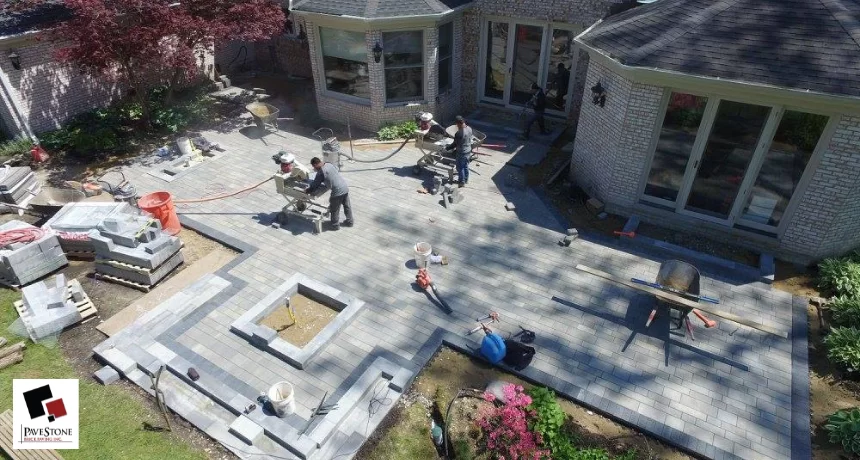
A paver patio in the Chicago suburbs typically costs between $2,500 and $7,300, with most homeowners paying around $3,900 for a mid-sized project. Per square foot, expect roughly $8 to $26 depending on the material, though quotes from local contractors for fully prepared installations often land higher, in the $20 to $35 per square foot range. A small patio can come in under $1,000, while a large patio with premium stone and built-in features can climb past $23,000.
Why such a wide range? Size is the biggest factor, but material choice, site conditions, and design complexity all move the number as well. Here’s a breakdown of what goes into a paver patio quote in the Chicago suburbs, so you can read your estimate with confidence.
Paver Patio Cost by Size
| Patio Size | Square Footage | Typical Cost Range |
|---|---|---|
| 6 x 10 ft | 60 sq ft | $500 – $1,550 |
| 10 x 16 ft | 160 sq ft | $1,300 – $4,150 |
| 14 x 20 ft | 280 sq ft | $2,300 – $7,250 |
| 20 x 20 ft | 400 sq ft | $3,300 – $10,400 |
| 30 x 30 ft | 900 sq ft | $7,500 – $23,300 |
Larger patios cost more overall, but the price per square foot often drops a little. Once the crew has excavated and staged materials, adding square footage is more efficient than starting a second small project. Premium materials or built-in features can push any of these ranges considerably higher.
What Factors Affect Paver Patio Cost in the Chicago Suburbs?
Excavation and Base Preparation
A lasting paver patio starts below the surface. Chicagoland sits on heavy clay soil that expands when wet and contracts when dry, and the region goes through dozens of freeze-thaw cycles every winter. Without a properly excavated and compacted base, pavers heave, sink, and shift within a few seasons.
That base work is a meaningful share of the project cost. A yard with soft, workable soil and clear access costs the least to prepare. Tree roots, dense plantings, hard-packed clay, or tight access for equipment all add labor hours, and the quote goes up accordingly.
Drainage
Every patio must slope away from the house, about a quarter inch per foot, so rainwater doesn’t pool against the foundation. In many yards, proper grading during installation takes care of this. If your yard is flat or slopes toward the house, your contractor may recommend a French drain or channel drain system, which can add roughly $1,500 to $4,000 to the project. It’s money well spent; water collecting at the foundation causes basement leaks that cost far more to fix than the drain.
Permeable pavers are another option worth asking about. They let water filter through the joints into the soil below instead of running off the surface, which helps in yards where drainage is a concern.
Materials
Three paver materials dominate patio projects in the Chicago suburbs, and the choice makes a real difference in price:
| Paver Material | Cost per Square Foot | What to Know |
|---|---|---|
| Concrete pavers | $8 – $16 | Most affordable; wide range of styles, textures, and colors; flexes with ground movement |
| Brick or clay pavers | $10 – $21 | Classic look; easy to maintain; can chip under heavy impact |
| Natural stone | $16 – $52 | Distinct, earthy appearance; long-lasting; some varieties handle winters better than others |
One caution on natural stone: not every stone survives Chicagoland winters equally. Porous varieties of limestone and sandstone can flake apart after repeated freeze-thaw exposure, while dense stones like bluestone and granite hold up for decades. A knowledgeable contractor will specify stone rated for this climate.
Design and Features
A simple, continuous pattern like running bond or herringbone keeps labor costs down. Intricate layouts, such as mosaics, circles, borders, and multi-level designs, require more cutting, more planning, and more skilled labor, so they cost more.
Built-in features raise the budget further. A seating wall, fire pit, or steps from a raised back door each add to the total, though they also add the most to how much you’ll use the space. Many homeowners install the patio first and phase in features later, which works well as long as the original design plans for them.
Permits, Taxes, and Other Costs
Permit requirements vary by municipality. Some suburbs don’t require a permit for a basic detached patio on grade, while others require one for patios over a certain size or for anything attached to the house or involving electrical work. Setback rules from property lines also vary from village to village. Your contractor should know the local requirements and handle permitting where it’s needed; before any digging, Illinois law also requires a free utility locate through JULIE (811).
Sales tax applies to project materials and varies by suburb. Rates across Cook County and the collar counties differ, so the tax line on an estimate from a Des Plaines contractor won’t match one from a DuPage County contractor exactly. A reputable estimate builds the applicable tax into the total for you.
One cost you may be able to skip: a separate landscape designer, which can run $2,000 to $7,500. Working with a design-build patio contractor typically includes the design phase. Pavestone Brick Paving, for example, creates a full-color 3D rendering of your patio design as part of the process, so you can see and adjust the finished layout before installation begins.
When Is the Best Time to Install a Paver Patio?
Installation season in the Chicago suburbs runs roughly from spring through late fall, and the project needs to wrap up before the ground freezes. Spring is the busiest booking window, so lead times stretch and schedules fill fast. Late summer and early fall often offer drier ground and better contractor availability, with the patio ready to go for the following season. Whenever you plan to build, getting on a contractor’s schedule early is the surest way to hit your preferred window.
Paver Patio Installation in the Chicago Suburbs
Pavestone Brick Paving, Inc. designs and installs brick paver and natural stone patios in Des Plaines, IL, and the surrounding north and northwest Chicago suburbs. As a Unilock and Rochester Authorized Contractor, our team helps you choose pavers suited to Chicagoland winters, builds the compacted base and drainage your patio needs to last, and can incorporate features like fire pits, seating walls, and outdoor lighting into the design.
Call Pavestone at (847) 895-7004 for a free estimate or browse our patio gallery for design ideas from recent projects.
Brick Paver Patio FAQs
How much does a paver patio cost per square foot in the Chicago suburbs?
Most paver patios in the Chicago suburbs run about $8 to $26 per square foot depending on material, with concrete pavers at the low end and natural stone at the high end. Fully prepared installations from established local contractors, including excavation, compacted base, and edge restraints, often quote in the $20 to $35 per square foot range.
Do I need a permit for a paver patio?
It depends on your suburb. Many municipalities don’t require a permit for a basic detached patio at ground level, but rules change for larger patios, patios attached to the house, or projects that include electrical work, and setback requirements vary by village. Check with your local building department or work with a contractor who handles permitting.
What is the cheapest paver patio material?
Concrete pavers are the most affordable option at roughly $8 to $16 per square foot. They come in a wide range of colors and textures, and because individual pavers flex with ground movement, they handle Chicagoland freeze-thaw cycles well.
How long does a paver patio last in the Chicago area?
A professionally installed paver patio can last 20 to 30 years or more. The base makes the difference: pavers set on a properly excavated, compacted aggregate base resist the heaving and settling caused by clay soil and freeze-thaw cycles. Individual pavers can also be lifted and re-leveled if a section ever settles, a much simpler fix than repairing cracked concrete.